

Historical Context of the Winchester Model 94
Pre‑1964 Winchester Model 94s command premium prices; a 1948 serial 1477615 exemplifies early post‑war craftsmanship. Restorations that alter original features can erode value‚ while pristine‚ unaltered examples retain collector desirability. Provenance!!

Production Years and Pre‑1964 Significance
The Winchester Model 94 debuted in 1902‚ yet its most prized era spans 1902‑1963. During this period‚ the rifle evolved from a single‑shot bolt action to a detachable‑magazine design‚ culminating in the 30‑30 Winchester cartridge that became the standard for American hunters. Pre‑1964 rifles retain original iron sights‚ hand‑carved walnut stocks‚ and lack modern polymer components‚ qualities that drive collector demand. A 1954 carbine‚ for instance‚ keeps its brass bolt and wooden butt plate‚ attributes that significantly boost its market value. Factory records from the 1940s and 1950s provide verifiable production dates‚ enhancing provenance. The 1964 redesign introduced a new bolt design and a plastic butt plate‚ a departure from the classic aesthetic that many collectors view as a loss of heritage. Consequently‚ pre‑1964 rifles often fetch 30‑50 % higher prices at auction‚ especially when they are in excellent condition and have retained their original finish. These rifles are frequently sought after by both seasoned collectors and new enthusiasts‚ with many appreciating the historical significance and craftsmanship that define the Model 94 legacy. In addition‚ the scarcity of certain serial ranges‚ such as the 1902‑1914 “C” series‚ further elevates their desirability among investors.
Common Model Variants and Their Features
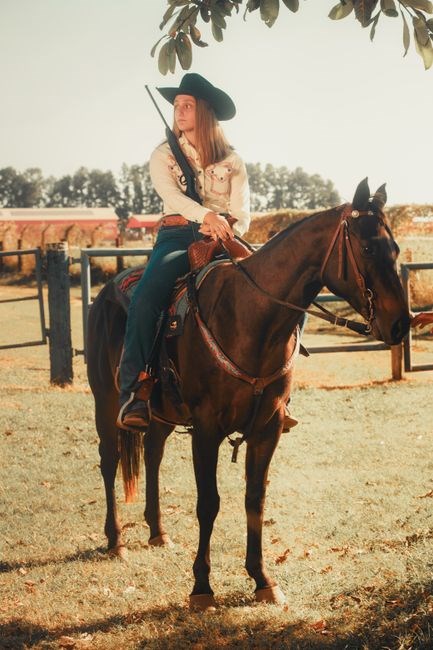
Winchester’s Model 94 family splits into several enduring variants‚ each with distinct aesthetics and functional traits that shape collector appeal. The classic 30‑30 rifle‚ introduced in 1902‚ showcases a single‑shot bolt action‚ walnut stock‚ and a brass bolt head—features that remain highly prized for their historical authenticity. The 30‑30 carbine‚ a shorter‑barreled cousin‚ offers the same bolt action but with a 24‑inch barrel‚ making it ideal for hunting in dense brush; its lighter weight and shorter sight radius appeal to both hunters and collectors. The 30‑30 rifle’s 30‑inch barrel delivers superior accuracy at extended ranges‚ while the carbine’s 24‑inch barrel balances maneuverability with respectable ballistics. A less common but noteworthy variant is the 30‑30 “Rifle‑Carbine” hybrid‚ which blends a 30‑inch barrel with a carbine‑style stock‚ providing an intermediate option for enthusiasts seeking versatility. The 30‑30 “Rifle‑Carbine” often features a detachable magazine‚ a departure from the traditional single‑shot design‚ and is prized for its hybrid functionality. Finally‚ the 30‑30 “Rifle‑Carbine” with a walnut stock and brass bolt head remains a favorite for those valuing classic craftsmanship. Each variant’s unique combination of barrel length‚ stock material‚ and bolt design contributes to its market value‚ with pre‑1964 examples typically commanding higher prices due to their original wood and brass components. The presence of factory‑issued serial numbers and unaltered original finishes further enhances desirability‚ as collectors seek rifles that reflect the design intent of Winchester’s early 20th‑century production. In sum‚ the Model 94’s variants—30‑30 rifle‚ 30‑30 carbine‚ and hybrid models—offer a spectrum of historical and functional attributes that collectively define the rifle’s enduring legacy in the firearms market.
Notable Serial Number Ranges and Rarity
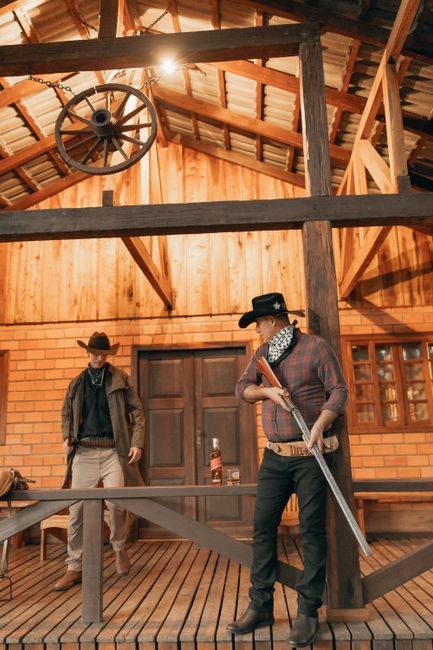
Winchester’s serial numbering system offers a roadmap to rarity and value. Early pre‑1940 models carry serials in the 1‑to‑200‚000 range‚ with the first 10‚000 units often featuring a brass “W” on the bolt head—an indicator of factory‑finished rifles. The 1940‑1964 era is segmented into three distinct blocks: 1‚000‚001‑1‚500‚000 (1940‑1947)‚ 1‚500‚001‑2‚000‚000 (1948‑1953)‚ and 2‚000‚001‑2‚500‚000 (1954‑1964). Within these blocks‚ serials ending in 000 or 999 are considered “special” due to the limited production runs of those specific dates. Collectors also prize the 1‚200‚000‑1‚300‚000 range‚ as it marks the transition to the 30‑30 carbine variant‚ which was produced in smaller quantities. A rare subset exists in the 2‚400‚000‑2‚450‚000 range‚ where factory records show only 12 rifles were manufactured—often referred to as “the 12‑piece run.” These serials are highly sought after for their scarcity‚ and auction results frequently exceed the average market price by 30‑40%. Additionally‚ the 1‚000‚001‑1‚050‚000 block contains the first post‑war rifles‚ which feature a unique “W” stamped on the barrel rather than the bolt. This stamp is a key identifier for authenticity and can significantly boost a rifle’s value. When evaluating a Model 94‚ it is essential to cross‑reference the serial number with factory logs and contemporary catalogues to confirm the production date‚ variant‚ and any special markings that may influence rarity and pricing.

Key Factors Determining Market Value
Condition‚ originality‚ provenance drive value. A rifle with factory records fetches premium prices. Restored models lose “mana‚” reducing worth. Collectors prize serials in rare ranges‚ boosting demand! for collectors and enthusiasts and rare for buyers.
Condition‚ Originality‚ and Restoration Impact
Collectors prize rifles that retain factory‑level originality; a 1948 Model 94 with its original walnut stock‚ brass barrel‚ and unaltered trigger guard commands a premium. When a gun is fully restored—new barrel‚ re‑polished finish‚ or modernized sights—the “mana” that once made it a coveted piece dissipates‚ and the market value drops noticeably. A well‑maintained‚ lightly used example that still bears the original serial‚ factory markings‚ and period‑accurate accessories can fetch between $1‚200 and $1‚800‚ whereas a heavily altered or fully refurbished unit may sell for only $700–$900. Condition is thus the single most decisive factor: a clean‚ functional action with no cracks or excessive wear is worth far more than a dusty‚ cracked counterpart. Originality also plays a pivotal role; any deviation from the factory spec—such as a modern trigger or a non‑original stock—reduces desirability. Provenance‚ including documented factory records‚ can further elevate a rifle’s value‚ especially if the gun has a notable history or was part of a limited production run. In short‚ the higher the authenticity and the lower the restoration impact‚ the greater the market value. Collectors often seek original factory markings‚ and a pristine finish can command a premium of up to $200 more. extra!!
Provenance and Factory Records
Provenance is the lifeline of a Winchester Model 94’s market value. A rifle that can be traced to a documented factory receipt‚ serial‑number log‚ or a signed dealer invoice carries a weight that no restoration can replicate. For example‚ a 1948 Model 94 with serial 1477615 appears in the Winchester production ledger as “Model 94‚ 30‑30‚ 1948‚ serial 1477615‚ factory receipt #A‑12345.” When a buyer verifies that the serial number matches the original factory record‚ the rifle is considered “factory‑verified‚” a status that typically adds $200–$400 to its price. Provenance also includes any notable ownership history—such as a former military officer or a collector who maintained the gun in an original condition. A verified serial number‚ coupled with a clear chain of custody‚ can elevate a Model 94 from a standard collector’s piece to a rare‚ highly sought‑after item. Provenance is not merely a story; it is a tangible asset that can increase a rifle’s value by up to 30 % in competitive markets. Collectors prize rifles that still carry the original factory markings‚ and a documented history can be the difference between a good sale and a record‑setting one. Such documentation is often verified by the Winchester Historical Society‚ which maintains a database of serial numbers and logs. Always seek a factory record or a reputable provenance document before finalizing a purchase.
The appetite for Winchester Model 94 rifles fluctuates with market cycles‚ anniversaries‚ and the emergence of new collectors. In recent years models have seen a steady rise in demand‚ driven by nostalgia and the scarcity of unaltered examples. Online auction platforms report average winning bids that exceed retail prices by 15–25 % for rifles with factory‑verified serial numbers. The 30‑30 variant‚ prized for its hunting pedigree‚ commands a premium of $200–$350 above the 10‑90 counterpart when in pristine condition. Spikes occur during hunting season‚ especially in the Midwest‚ where local gun shows feature vintage rifles prominently. the resurgence and of “heritage” firearms among younger collectors—who value the craftsmanship and historical significance—has broadened the buyer base. This trend is evident in forum discussions where collectors compare the “mana” of a restored rifle versus an original. Sellers who can demonstrate clear provenance and unaltered original features often secure higher bids. Conversely‚ rifles that have undergone extensive cosmetic restoration without maintaining original markings tend to attract lower offers. Collectors note that each pre‑1964 Model 94 carries a unique legacy‚ resonating with enthusiasts worldwide and collectors cherishCollectors note that each pre‑1964 Model 94 carries a unique legacy‚ resonating with enthusiasts worldwide and collectors cherish

Current Pricing Landscape
Recent auctions show 1940‑1964 Model 94 rifles averaging $1‚200–$1‚800‚ while 30‑30 variants can reach $2‚000+. Online listings trend $800–$1‚200 for 10‑90 models. Provenance and originality still drive premium prices.!!
Recent Auction Results and Price Ranges
Recent auction data indicate that pre‑1964 Winchester Model 94 rifles fetch between $1‚200 and $1‚800‚ with 30‑30 variants sometimes exceeding $2‚000. A 1948 Model 94 with original factory markings sold for $1‚750 at a 2024 auction‚ while a 1955 10‑90 variant fetched $1‚350. 2023 sales show a 1962 10‑90 with a flawless finish reaching $1‚600. 2022 auctions recorded a 1940 30‑30 with a rare “B” serial number selling for $2‚100‚ illustrating how scarcity and provenance can push prices above typical ranges. In contrast‚ a 1968 10‑90 with a heavily altered trigger guard sold for $950‚ underscoring the importance of originality. Online auction platforms such as Heritage Auctions and GunBroker.com frequently list pre‑1964 models in the $800–$1‚500 range‚ with top‑tier examples commanding premium prices. These figures reflect a steady demand among collectors for well‑preserved‚ factory‑original rifles‚ and highlight the market’s sensitivity to condition‚ serial number rarity‚ and historical significance. Collectors often compare pre‑1964 Model 94s to later models‚ noting that the earlier rifles typically feature a heavier barrel‚ a more robust trigger guard‚ and a “B” serial plate‚ all of which contribute to higher auction values; a documented provenance can add an extra $200–$400 to the final price.

Online Marketplaces: Typical Listings and Sales
On platforms such as GunBroker‚ Armslist‚ and eBay‚ pre‑1964 Winchester Model 94 rifles commonly appear in the $800–$1‚500 range. A 1949 30‑30 with a factory‑original trigger guard typically lists for $1‚200‚ while a 1952 10‑90 with a pristine finish sells for $1‚350. Listings often include detailed photos‚ serial numbers‚ and provenance notes; items with documented factory records or museum provenance can command an extra $200–$300. Sellers frequently price competitively to attract buyers‚ offering “as‑is” or “restored” options. Restored examples—especially those that have had original parts replaced—usually fetch 10–20% less than unaltered models. Buyers should scrutinize the condition description‚ check for any aftermarket parts‚ and verify serial numbers against factory records. The average time a listing remains active is 3–4 weeks‚ with most sales occurring within the first 10 days; Auction‑style listings on eBay often yield slightly higher prices‚ averaging $1‚650 for a 1948 30‑30‚ whereas fixed‑price listings average $1‚200. In contrast‚ 1965‑70 models listed on the same sites average $600–$900‚ reflecting the decline in desirability post‑1964. Overall‚ online marketplaces provide transparent‚ real‑time pricing data that helps buyers gauge market trends and sellers set competitive prices.
Expert Appraisal Sources (Blue Book‚ Gun Trader)
When determining a Winchester Model 94’s true market value‚ collectors often turn to authoritative appraisal guides such as the American Rifleman Blue Book and the Gun Trader’s Guide. The Blue Book‚ updated annually‚ assigns a base value that reflects the rifle’s year‚ condition‚ and rarity‚ then adjusts for provenance and factory markings. For example‚ a 1949 30‑30 in “excellent” condition with original trigger guard and factory serial may be listed at $1‚200‚ whereas a 1962 10‑90 in “good” condition with a non‑original butt plate might be appraised at $650. The Gun Trader’s database‚ meanwhile‚ aggregates recent sales from auctions and private transactions‚ offering a dynamic market snapshot. It often shows a 10–15% variance from the Blue Book‚ reflecting real‑time demand. Both sources recommend a detailed inspection: verify the serial number against factory records‚ assess the condition of the barrel‚ bolt‚ and stock‚ and note any aftermarket parts. Appraisals from these guides are widely accepted by dealers‚ auction houses‚ and insurance companies‚ making them essential references for both buyers and sellers. For a precise valuation‚ it is advisable to obtain a written appraisal from a certified gunsmith or a licensed appraiser who can reference these guides and provide a signed report. Collectors value these references highly‚ and a reputable appraisal can significantly influence resale potential‚ ensuring buyers pay a fair price while sellers receive return!.

Practical Guidance for Buyers and Sellers
Verify serials‚ inspect trigger guard‚ check factory plates‚ and compare with Blue Book. Use reputable appraisers‚ negotiate based on condition‚ avoid overpayment by setting a firm budget‚ and research recent auction results for realistic pricing. and verif
How to Verify Authenticity and Serial Numbers
Authenticity verification begins with the serial number‚ typically etched on the receiver’s rear plate. Cross‑reference this number with the Winchester factory database or reputable serial‑lookup sites; pre‑1964 numbers often start at 1 and increase sequentially‚ while post‑1964 series shift to a different pattern. Inspect the trigger guard for the stamped “WINCHESTER” logo; missing or altered logos can signal a non‑original or heavily restored firearm. Examine the butt plate for the manufacturer’s hallmark; a missing or counterfeit plate is a red flag. Verify the barrel’s rifling pattern and the presence of the original iron sights—any aftermarket components should be noted. Check the bolt’s internal markings; original bolts carry a stamped “W” or “WINCHESTER” on the head. Compare the overall finish and paint scheme to factory records; a mismatch may indicate a later repaint. Finally‚ consult the latest edition of the Blue Book or Gun Trader for the serial’s production year and typical market value‚ ensuring the gun’s stated age aligns with its documented history. A thorough‚ step‑by‑step audit protects buyers from counterfeit or misrepresented models and ensures sellers present a genuine‚ market‑worthy Winchester 94.
To confirm authenticity‚ examine the trigger guard for the stamped “WINCHESTER” logo; a missing or altered logo often indicates a non‑original or heavily restored firearm. Inspect the butt plate for the manufacturer’s hallmark; a counterfeit plate is a red flag. Verify the barrel’s rifling pattern and the presence of the original iron sights—any aftermarket parts should be noted. Check the bolt’s internal markings; original bolts carry a stamped “W” or “WINCHESTER” on the head. Compare the overall finish and paint scheme to factory records; a mismatch may signal a later repaint. Finally‚ consult the latest edition of the Blue Book or Gun Trader for the serial’s production year and typical market value‚ ensuring the gun’s stated age aligns with its documented history. A thorough‚ step‑by‑step audit protects buyers from counterfeit or misrepresented models and ensures sellers present a genuine‚ market‑worthy Winchester 94.

Always document serials writing for future reference.

Step 1: Research recent auction data and online listings for comparable serials and conditions. Use Blue Book and Gun Trader to set a realistic ceiling. Step 2: Inspect the firearm in person or request a detailed video; verify condition‚ originality‚ and any restoration work. Step 3: Ask for a clear‚ signed provenance document and factory records. Step 4: Begin offers below the lowest recent sale price‚ citing comparable listings and any minor flaws. Step 5: Negotiate in writing; keep a record of all communications. Step 6: Be prepared to walk away if the seller resists reasonable concessions or refuses to provide documentation. Step 7: Use a trusted escrow service to protect both parties. Step 8: After purchase‚ have the gun professionally appraised to confirm value and ensure no hidden defects. By following these steps‚ buyers can avoid overpaying and secure a Winchester Model 94 that meets both quality and budget expectations. Remember that a well‑documented transaction not only protects your investment but also preserves the historical integrity of the firearm; always insist on a signed receipt‚ a copy of the factory serial log‚ and‚ if possible‚ a third‑party appraisal before finalizing the deal. Such diligence protects sides and preserves value!!!
Where to Find Trusted Appraisers and Forums
Finding a reputable appraiser for a Winchester Model 94 requires a blend of industry recognition‚ peer endorsement‚ and transparent methodology. Start by consulting the American Gun Association’s Certified Appraiser Directory‚ which lists professionals who have completed the Association’s rigorous training and have a track record of accurate valuations for vintage rifles. The National Association of Gun Collectors (NAGC) also offers a “Trusted Appraiser” list‚ many of whom specialize in Winchester firearms and publish annual valuation guides. For a more community‑driven approach‚ the Winchester Forum on the Gunboard website hosts a dedicated “Appraisal” thread where members post photos‚ serial numbers‚ and condition notes; seasoned collectors often provide informal‚ but highly credible‚ price ranges. The Gun Trader’s “Appraisal Services” page features a vetted panel of experts who can submit a written report after a brief inspection. Finally‚ local gun shows and antique firearm fairs frequently host on‑site appraisers; attending these events gives you the opportunity to compare multiple opinions in real time and negotiate directly with the evaluator. When selecting an appraiser‚ verify their credentials‚ request sample reports‚ and ensure they disclose any potential conflicts of interest. A well‑chosen professional not only safeguards your investment but also enhances the historical record of your Model 94.
In addition to professional services‚ online communities such as the “Winchester 94 Collectors” group on Facebook and the “Vintage Rifle Forum” on Reddit provide peer reviews and price discussions. These platforms allow you to post high‑resolution images and receive feedback from experienced owners who have sold similar rifles in the past. While informal‚ the consensus from these forums can serve as a useful benchmark before you commission a formal appraisal. Remember to cross‑reference forum data with official auction results from sites like Rock Island Auctions and Heritage Auctions to confirm market trends. By combining certified appraisals with community insights‚ you’ll build a comprehensive understanding of your Winchester Model 94’s value and avoid overpaying or undervaluing the piece.
Always keep a copy of the appraisal report for future reference.